Welcome to our exploration of Understanding Exposure in Photography, brought to you by all about phoenix photography. In the world of photography, exposure is a foundational concept that influences every image we create. It determines how light interacts with your camera’s sensor, ultimately affecting the mood, clarity, and overall impact of your photographs. Whether you are a budding photographer looking to refine your skills or a seasoned professional seeking to brush up on the fundamentals, grasping the nuances of exposure is essential for capturing stunning images. In this article, we will delve deep into the intricate relationship between shutter speed, aperture, and ISO—the three pillars of exposure.
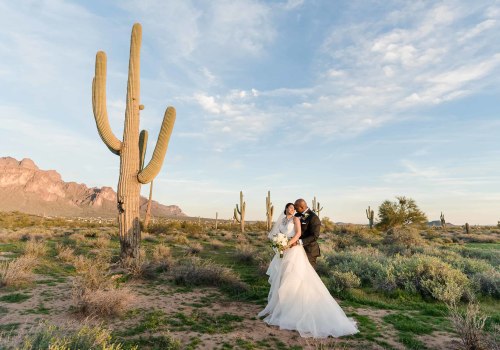
We will also explore practical tips and techniques to help you master these elements, ensuring that your photography stands out in any setting. From the sun-drenched deserts of Phoenix to its vibrant urban scenes, understanding exposure will empower you to create images that resonate with viewers and tell compelling stories. As we navigate through the various aspects of exposure, remember that mastering this skill not only enhances your technical abilities but also enriches your artistic vision. Join us as we unlock the secrets to perfect exposure and elevate your photography journey. Understanding exposure in photography is a fundamental skill for any photographer, particularly for those working in a dynamic environment like Phoenix, Arizona. With its vibrant desert landscapes and bustling urban settings, mastering exposure can make the difference between a mediocre image and a stunning one.
In this article, we will explore the three main components of exposure: aperture, shutter speed, and ISO. By delving into these elements, we hope to equip photographers with the knowledge needed to create high-quality images that truly capture the essence of their subjects. This is all about phoenix photography, where understanding exposure is essential for producing captivating visuals. The first component of exposure is aperture, which refers to the size of the opening in a lens through which light enters the camera. Aperture is measured in f-stops (e.g., f/2.8, f/4, f/8), with lower numbers indicating a larger opening that allows more light to hit the sensor.
This can create a shallow depth of field, which is ideal for portraits where you want the subject to stand out against a blurred background. Conversely, a higher f-stop number results in a smaller aperture, increasing depth of field and keeping more of the scene in focus, which is particularly useful in landscape photography. Understanding how to manipulate aperture can significantly affect how photos turn out, especially when shooting in varying conditions such as the bright sunlight often found in Phoenix. The second component is shutter speed, which determines how long the camera’s shutter remains open to allow light to enter. It is measured in seconds or fractions of a second (e.g., 1/2000s, 1/60s).
Fast shutter speeds freeze action and are perfect for capturing fast-moving subjects, such as during sporting events or street photography in downtown Phoenix. On the other hand, slower shutter speeds can create motion blur, which can be artistically appealing when photographing flowing water or bustling city scenes at dusk. When working with Phoenix's unique lighting conditions—like during sunset when vibrant colors fill the sky—adjusting shutter speed can help capture those fleeting moments beautifully. The third component is ISO, which measures the camera sensor's sensitivity to light. Lower ISO settings (e.g., ISO 100) are ideal for bright conditions like midday sun, while higher ISO settings (e.g., ISO 3200) can be used in darker environments but may introduce noise into the image.
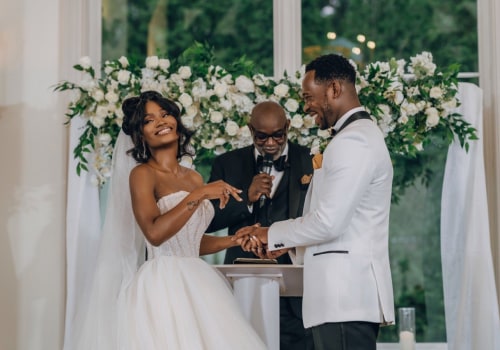
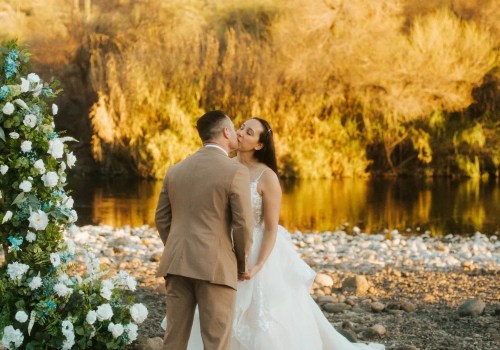
Balancing ISO with aperture and shutter speed is crucial; for instance, when shooting in low-light conditions typical of evening events or indoor gatherings, photographers might increase the ISO to maintain proper exposure without compromising shutter speed or aperture settings excessively. These three components—aperture, shutter speed, and ISO—work together to create a well-exposed photograph. When adjusting these settings, photographers must consider their specific style and subject matter. For example, real estate photography often requires a combination of a smaller aperture for depth of field and moderate shutter speeds to ensure clear images of interiors. In contrast, wedding photography may involve rapid adjustments to capture fleeting moments while ensuring beautiful bokeh effects. In Phoenix’s diverse lighting conditions—from harsh midday sun to stunning golden hour tones—photographers need to be adept at modifying exposure settings accordingly. —work together to create a well-exposed photograph. When adjusting these settings, photographers must consider their specific style and subject matter. For example, real estate photography often requires a combination of a smaller aperture for depth of field and moderate shutter speeds to ensure clear images of interiors. In contrast, wedding photography may involve rapid adjustments to capture fleeting moments while ensuring beautiful bokeh effects. In Phoenix’s diverse lighting conditions—from harsh midday sun to stunning golden hour tones—photographers need to be adept at modifying exposure settings accordingly. often requires a combination of a smaller aperture for depth of field and moderate shutter speeds to ensure clear images of interiors. In contrast, wedding photography may involve rapid adjustments to capture fleeting moments while ensuring beautiful bokeh effects. In Phoenix’s diverse lighting conditions—from harsh midday sun to stunning golden hour tones—photographers need to be adept at modifying exposure settings accordingly. —work together to create a well-exposed photograph. When adjusting these settings, photographers must consider their specific style and subject matter. For example, real estate photography often requires a combination of a smaller aperture for depth of field and moderate shutter speeds to ensure clear images of interiors. In contrast, wedding photography may involve rapid adjustments to capture fleeting moments while ensuring beautiful bokeh effects. In Phoenix’s diverse lighting conditions—from harsh midday sun to stunning golden hour tones—photographers need to be adept at modifying exposure settings accordingly.
A common tip is to always check your histogram after taking a shot; it provides a visual representation of exposure levels across the image. If you find your histogram skewed too far left or right, adjust your settings accordingly. It’s also advisable to shoot in RAW format whenever possible; this gives greater flexibility in post-processing to correct exposure issues that may arise. While many photographers have differing opinions on ideal exposure settings—some may prefer to shoot wide open for portraits while others advocate for more balanced exposures—the key takeaway is that understanding these principles allows photographers to make informed decisions that enhance their work. When hiring a photographer who specializes in this art form, consider their grasp of exposure principles and how they adapt them to suit Phoenix's unique environment.
A skilled photographer will not only know how to balance aperture, shutter speed, and ISO but will also understand how these elements influence the narrative they aim to convey through their images.
Tips for Photographers in Phoenix: Mastering Exposure
For photographers in Phoenix, mastering exposure is essential to capture the stunning landscapes and vibrant urban settings unique to this area. The interplay of intense sunlight and the distinct colors of the desert can present both opportunities and challenges. To fully leverage these conditions, understanding exposure in photography becomes a crucial skill. In this article, we will provide practical advice tailored for local photographers, ensuring they can adapt their exposure techniques effectively. Firstly, it's important to recognize that the bright Arizona sun can lead to overexposed images if not managed properly.Photographers should consider utilizing manual mode on their cameras, allowing for precise control over shutter speed, aperture, and ISO settings. This is particularly beneficial when shooting during the golden hours—early morning or late afternoon—when the light is softer and more flattering. Additionally, using a polarizing filter can help reduce glare and enhance the colors of the sky and landscape. This is especially useful when capturing the rich hues of the desert flora against a clear blue sky. Remember to adjust your exposure settings accordingly when using filters, as they can alter the amount of light reaching the sensor. In Phoenix, where temperatures can soar, heat haze may also affect image quality.
Photographers should aim to shoot at higher altitudes or from shaded areas during peak heat hours to avoid distortion caused by rising heat waves. Understanding how these environmental factors influence exposure will significantly improve the quality of your photographs. Finally, post-processing plays a vital role in achieving optimal exposure. Utilizing software to adjust highlights and shadows can help correct any exposure issues encountered during shooting. This technique allows photographers to refine their images and make them truly stand out in a city known for its stunning visuals. By implementing these strategies, photographers in Phoenix will be better equipped to navigate the unique lighting conditions of the region.
For those interested in exploring more about photography tailored specifically to this vibrant city, all about phoenix photography offers resources and tips that can elevate your skills and enhance your portfolio.
Applying Exposure Techniques in Different Photography Styles
Understanding exposure is a fundamental aspect of photography that influences the quality and aesthetics of images across various styles. For photographers in Phoenix, Arizona, where the interplay of light and color is particularly vibrant, mastering exposure techniques is essential. Whether capturing the stunning desert landscapes or the dynamic urban settings, having a solid grasp of exposure can elevate the artistic quality of your work. This article will explore how these techniques apply specifically to real estate, wedding, portrait, and event photography, highlighting their significance for professionals who are part of all about phoenix photography.In real estate photography, exposure plays a critical role in showcasing properties effectively.Properly balanced exposure ensures that both the interior and exterior of a home are well-lit, allowing potential buyers to appreciate the space's best features. By adjusting the aperture, shutter speed, and ISO settings, photographers can create inviting images that highlight details without overexposing bright areas or underexposing shadows. When it comes to wedding photography, understanding exposure is equally important. Weddings often take place in varying light conditions—from bright outdoor ceremonies to dimly lit receptions. A skilled photographer must be able to adapt quickly, using exposure techniques to capture the emotions and details of the day beautifully.
This might involve using a wider aperture to achieve a soft background blur or faster shutter speeds to freeze action during key moments. Portrait photography also relies heavily on exposure. Here, the goal is to create images that flatter the subject while maintaining a pleasing background. By controlling exposure, photographers can highlight facial features and expressions while ensuring that distracting elements remain subdued. This technique is crucial for creating compelling portraits that resonate with viewers. Lastly, event photography requires an adaptable approach to exposure due to fluctuating lighting conditions throughout the occasion.
Whether shooting at an outdoor festival or an indoor gathering, understanding how to manipulate exposure settings allows photographers to capture candid moments with clarity and vibrancy. Mastering these techniques ensures that every event is documented beautifully, providing clients with stunning imagery that tells their unique story. In conclusion, regardless of the photography style you specialize in—real estate, weddings, portraits, or events—understanding exposure is crucial for producing high-quality images that stand out. For those involved in all about phoenix photography, honing these skills will enhance your ability to create visually striking photos that capture the essence of any moment.
The Basics of Exposure: Aperture, Shutter Speed, and ISO
Understanding exposure in photography is fundamental for any photographer, especially for those in Phoenix, Arizona, where the interplay of light and shadow can dramatically affect the outcome of vibrant desert landscapes and urban settings. When discussing exposure, three critical components come into play: Aperture, Shutter Speed, and ISO.Each element works together to determine how light interacts with your camera sensor, ultimately affecting the quality and mood of your images. This article will explore these components in detail, providing examples that can enhance your photography skills, whether you are capturing the sunset over the Sonoran Desert or the bustling streets of downtown Phoenix.
Aperture
refers to the opening in a lens through which light passes. It is measured in f-stops (like f/2.8, f/4, or f/16). A wider aperture (lower f-stop number) allows more light to hit the sensor and results in a shallower depth of field, which is perfect for portraits where you want the subject to stand out against a blurred background.Conversely, a smaller aperture (higher f-stop number) lets in less light and increases depth of field, making it ideal for landscape photography where you want both the foreground and background in focus. For photographers in Phoenix, understanding how to manipulate aperture can make a significant difference when shooting in varying lighting conditions.
Shutter Speed
controls the duration that the camera's sensor is exposed to light. It is measured in seconds or fractions of a second (like 1/1000s or 2s). A fast shutter speed (e.g., 1/1000s) freezes motion, making it an excellent choice for capturing fast-moving subjects like wildlife or sports events.On the other hand, a slow shutter speed (e.g., 2s) can create motion blur, which might be desirable when photographing flowing water or creating light trails from cars at night. In Phoenix, where you might want to capture both the stillness of a desert sunrise and the dynamic energy of a cityscape, mastering shutter speed is essential.
ISO
measures the sensitivity of your camera's sensor to light. A lower ISO setting (like ISO 100) is ideal for bright conditions, minimizing noise and graininess in images. However, as light decreases (like during dusk), you may need to increase your ISO (to 800 or higher) to maintain a proper exposure.While higher ISO settings can introduce noise into your images, modern cameras often handle this better than older models. For photographers working in Phoenix's diverse lighting conditions—from sun-soaked afternoons to twilight moments—understanding ISO can help achieve sharp and clear images. By mastering these three components of exposure—Aperture, Shutter Speed, and ISO—photographers can significantly improve their craft. Whether you are just starting or looking to refine your skills in all about phoenix photography, understanding exposure will enable you to create stunning images that capture the essence of this vibrant city. In conclusion, understanding exposure in photography is fundamental to achieving stunning results, especially in a vibrant locale like Phoenix, Arizona. By grasping the interplay between aperture, shutter speed, and ISO, photographers can create images that truly capture the essence of their subjects, whether they are vibrant desert landscapes or bustling urban scenes.
This article has highlighted the importance of mastering exposure techniques and how they can enhance various photography styles. As you seek to select a professional photographer, consider their expertise in exposure. A photographer well-versed in these intricacies will not only produce high-quality images but will also ensure that your visual stories are told effectively. Remember, when it comes to all about phoenix photography, the right exposure techniques can make all the difference in capturing the beauty of this unique region.